Table of Contents:
- Dmitri Moskovtsev: The anniversary year will be busy
- The Estonian Language Houses in Narva and Tallinn invite you to practice the language
- Estonian language courses of the Estonian Integration Foundation at levels A1–C1 are about to start
- The Language Friends programme invites you to sign up as a volunteer Estonian language mentor
- Estonian Language House in Tallinn launches alumni club
- During the 'Be Active year', we will offer activities for language learners as well as for our staff
- A collection of stories from returnees Returning Home 2022 has been published
- The Integration Awards ceremony is available to watch online
- Meet Katja Sepp, our new Head of Communications
- Join our team!
- New calls for applications
- Our calender
Dmitri Moskovtsev: Dmitri Moskovtsev: The anniversary year will be busy
 This year on 31 March, we all have another reason to be proud and happy: the Integration Foundation is celebrating its 25th anniversary. The past quarter of a century has been made possible by the active cooperation of many dedicated people. In the new year, the foundation will have opportunities which require at least equally competent cooperation. Here are a few examples of traditional activities and new trends that will characterise the year we have started.
- We will continue to create opportunities for learning and practising the Estonian language. 1,600 people registered for the free language courses taking place in the first half of the year (registration is now closed). During the year, thousands more people will be added to them, who will learn the Estonian language and culture in numerous courses, during events, and with the help of our counsellors.
- We will expand the circle of friends of the Estonian language by bringing learners and mentors together. From Valentine’s Day until the end of May, several hundred speakers and learners of the Estonian language will once again be able to chat with each other on topics of interest to them and thus find other things in common. Greater involvement of volunteers, which supports integration in many ways, is one of our most important tasks in the coming years.
- The focus is naturally on the adaptation and, if necessary, later integration of Ukrainian war refugees. We will continue to offer A1-level language courses to recipients of temporary protection. The challenge is to offer refugees continuing training in the Estonian language and to involve them in local activities while giving them the opportunity to preserve their culture. The application round for the organisation of Ukrainian language and culture learning for young war refugees is open.
- Starting from this year, we will start coordinating the implementation of the adaptation programme Settle in Estonia aimed at newly arrived immigrants. By participating in it, new residents of Estonia get the practical information necessary for adaptation and the opportunity to learn the Estonian language at a basic level.
- This year, we will relaunch the programme that offers employees with different native languages the opportunity to temporarily work in the same position in an Estonian-speaking environment. In addition to learning the Estonian language, participants can develop professional skills and create new contacts with Estonian-speaking people.
- Together with the Ministry of Culture, we will prepare a measure to support the cultural and sports programmes of Ida-Viru County, which will be added to the already existing activities. This will develop cultural life and revive the economy in the region.
I would like to thank everyone who has helped the Integration Foundation to operate consistently. I wish for us all to move forward in the direction of a more cohesive Estonia at a pace appropriate for this year – the Be Active Year.
The Estonian Language Houses in Narva and Tallinn invite you to practice the language

The Estonian Language Houses in Narva and Tallinn have launched exciting activities which support the learning of the Estonian language and provide an opportunity to get acquainted with Estonian culture.
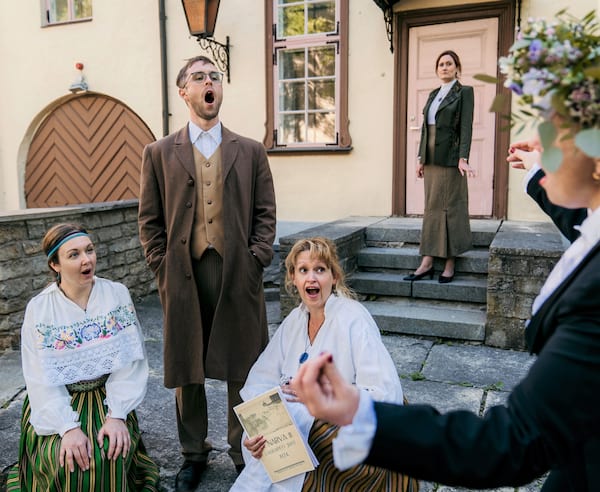
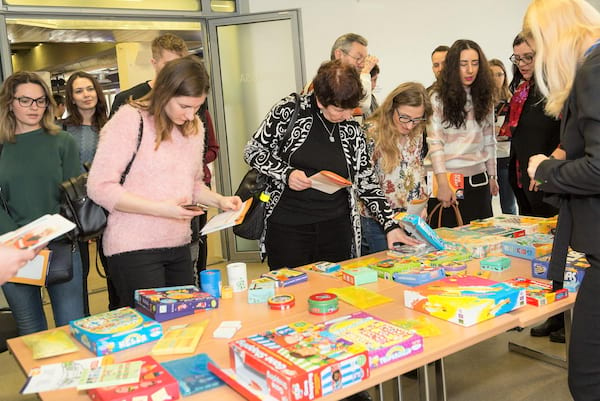
The Estonian Language House in Narva will continue its already popular series of events for practising your language skills by watching new Estonian films, visiting different Estonian secondary schools with the Narva Parents’ Club, and enjoying the nature of the Onion Route. In the spring season, the favourite of many people – a series of language trips – will take Estonian language learners on wonderful nature hikes in Ida-Viru County. This season, you can also sing with the tandem choir once a month or try your hand at different recipes – all in Estonian. Residents of Sillamäe will be able to take part in a social club and meet interesting guest speakers. Language learners in the Jõhvi region will have a great opportunity to spend some fun and useful time after a busy day at work, playing board games and the Mafia game or taking part in the Forum Theatre.
Language learners in the Lüganuse rural municipality are invited to learn about the history and weaving of bobbin lace. The varied and relaxing activity of the ceramics class helps to relieve tension and overcome the language barrier. At the meetings of the Kiviõli social club, we chat about real life topics in Estonian and discuss how to invite friends and guests to Lüganuse rural municipality and which fun activities can be offered here.
The language house in Tallinn will continue its popular series, such as the cooking and film club and the forest game. We will visit museums and language learners will have the opportunity to learn about the history of Estonian maritime history. In the summer, we will explore the urban space of Tallinn and take trips to small islands. We will also launch several exciting new series in Tallinn. As part of the Good Estonian Things series, language learners will get to know Estonian folk costumes, visit museums, and try their hand at creating prints and mosaics; the Be Active year will be celebrated with a series of meetings where we will practise Estonian language with various sporting activities.
Language learners in the Lääne-Harju region are welcome to the Language Workshop, Let’s Sing Together, Tastes in Language, and Film School events. In the Interesting School discussion group, we will discuss education topics of interest. There will also be a communication group specifically for Ukrainian war refugees, communication practice meetings Charms of Communication, and Library Friday. We will also organise traditional cultural trips to the Keila-Joa Castle and the Padise Monastery. Activities in the Pärnu region will start in March with social club meetings, workshops, and trips.
In addition, several beloved series of online activities have started, where people from all over Estonia or all over the world can practice Estonian, be it the Mokalaat discussion group, Language Roulette, or Playground. You can read more about all language training options that are already available or will soon be available in the calendar of events.
Estonian language courses of the Estonian Integration Foundation at levels A1–C1 are about to start

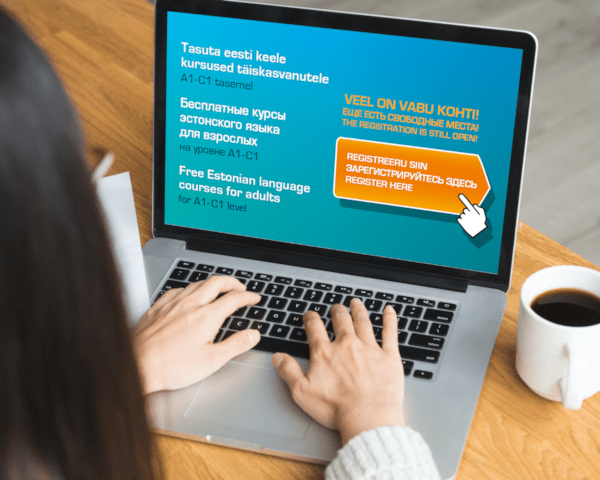
Free Estonian language courses from the Estonian Language Houses in Tallinn and Narva and partners of the Integration Foundation will start in January, February, and March. Groups are mostly already full. In February and March, courses will be added to the existing ones in Paldiski in the Lääne-Harju municipality.
For the second season, registration for language courses is taking place via the self-service portal of the Integration Foundation. When language groups are set up, first priority is given to those who are continuing their studies, then to those who have completed the counselling on the basis of the general queue, and then to other self-service customers of the Integration Foundation.
A total of 1,600 study places will be offered in the first semester, both as contact learning and online courses. In addition, specific courses, language training for citizenship applicants and recipients of temporary protection, and various language practice activities are organised.
We also recommend participating in the counselling sessions at the Estonian Language Houses of the Integration Foundation, where we analyse the needs and experiences of each person, determine their language proficiency level, and prepare a language learning plan. To register for counselling, please contact us by email at info@integratsiooniinfo.ee or call 800 9999 (free of charge).
Estonian language studies at the courses of the Integration Foundation are funded by the Ministry of Culture.
The Language Friends programme invites you to sign up as a volunteer Estonian language mentor
 The Language Friends programme of the Integration Foundation is inviting people whose first language is Estonian or other fluent Estonian speakers to register as voluntary mentors to help Estonian language learners practice their spoken language by conversing with them via online channels or over the phone.
The purpose of the Language Friends programme is to provide Estonian language learners further opportunities for practising communication in Estonian and to encourage them to use the language on a daily basis. In three years, the programme has brought together almost 2,500 language friends.
‘We are once again inviting volunteers to contribute to the programme – language learners are looking forward to the opportunity to talk to you in Estonian,’ said Ave Landrat, head of the Language Friends Programme of the Integration Foundation. ‘The previous seasons have provided the mentors with many horizon-broadening encounters as well as long-lasting friendships,’ he added.
Voluntary Estonian language mentors are tasked with interacting with a language learner in Estonian once or twice a week for three months on various different everyday topics via online channels or over the phone. No previous teaching experience is required.
You will be able to specify your preferences and possibilities for supporting the language learners on the registration form on the website of the Integration Foundation at integratsioon.ee/keelesõber.
The foundation will start registering those interested in learning the language with the help of the Language Friends Programme on 7 February.
Estonian Language House in Tallinn launches alumni club
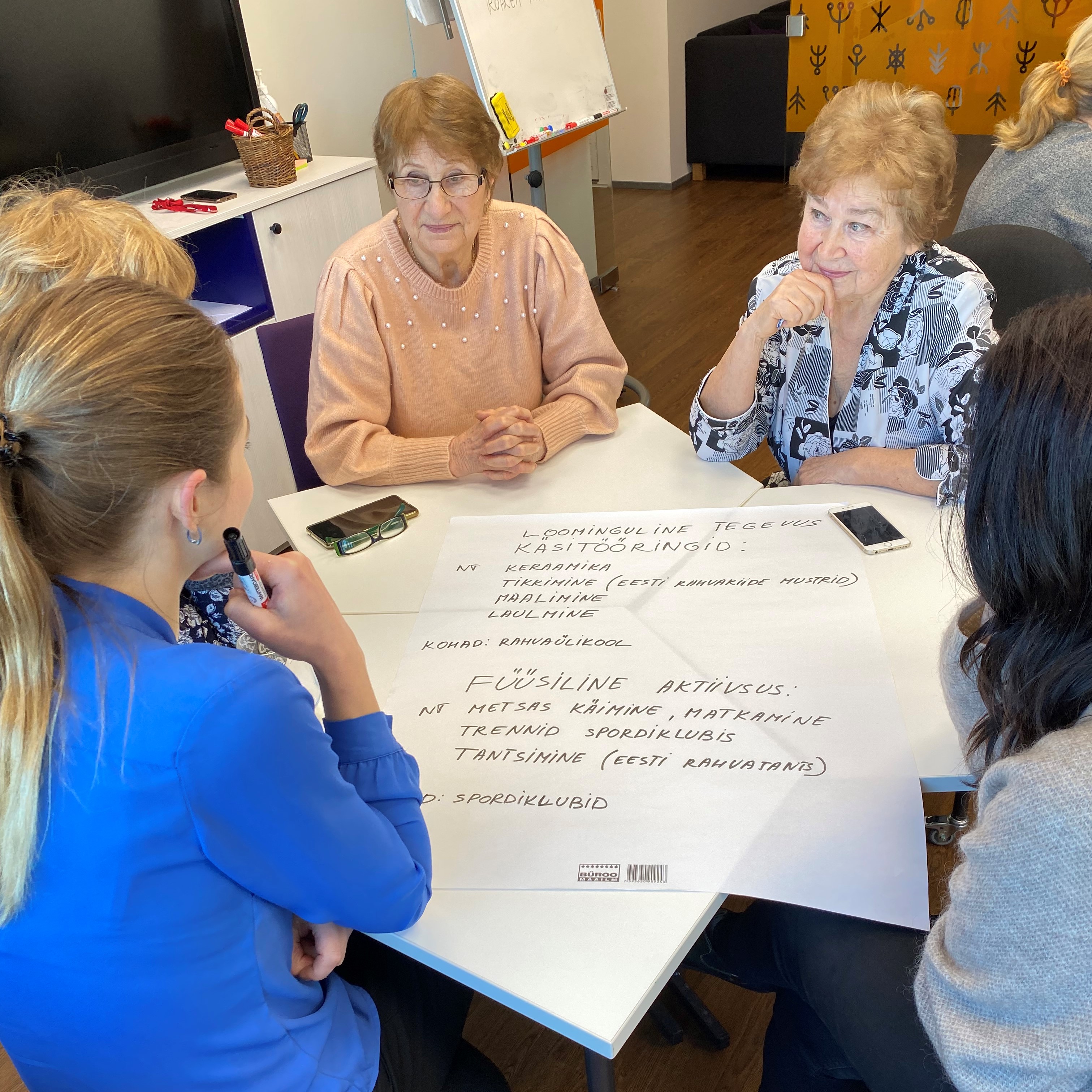
The Estonian Language House in Tallinn is launching the Alumni Club programme to provide excitement and challenges for even the most active language learners.
‘We feel that those customers of the Estonian Language House in Tallinn who are at least at level B2 in Estonian need more than just classroom learning – they need the courage to speak and practice,’ explains Margarita Källo, Head of the Estonian Language House in Tallinn. ‘That is why, for the first time, we are offering a particularly active practice programme for spoken language.’
The language learners themselves contribute to the development and practical realisation of the activities of the Alumni Club to a large extent: they find different opportunities to practise their Estonian in Tallinn, get acquainted with the activities of different institutions on their own, and introduce their experiences to other members of the club. In the interim, club members meet to work in groups and discuss, give feedback, and plan the next phase of the project.
This time, the particularly active students of the Estonian Language House in Tallinn were invited to take part in the activities of the club. As the activities get underway, the circle of participants will expand and we will be able to invite more people to join the Active Language Practice Club.
During the 'Be Active year', we will offer activities for language learners as well as for our staff
The year 2023 is the Be Active year in Estonia, which aims to encourage people to be more physically active and lead healthier lifestyles. Language houses and the Integration Foundation are contributing to it.
The Estonian Language House in Tallinn is organising a series of sporting events to celebrate the Be Active year where you can learn about exercising, hiking, folk dancing, yoga, etc., in addition to practising the Estonian language. We will teach you the relevant vocabulary and give you an overview of the green spaces and free exercise opportunities in Tallinn. We will visit the hiking trails in Pirita and the Pääsküla bog and work out in the outdoor gyms in Tondiraba and Nõmme.
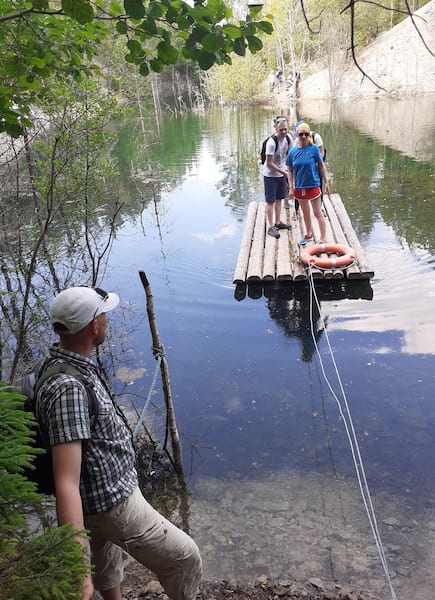
The language house in Narva is organising a series of language trips starting in March. Under the guidance of professional hiking guides and Estonian language teachers, you will learn relevant words, discover exciting hiking trails in Ida-Viru County, and get a good workout.
The team of the Integration Foundation has also decided to put more emphasis on physical activity in the coming year. At the end of general meetings, our staff will introduce to their colleagues different tips for being physically active and share inspiration and new knowledge.
A collection of stories from returnees Returning Home 2022 has been published

In December, the Integration Foundation published a new collection of practical information on returning to Estonia and the stories of returnees, entitled Returning Home.
Around 7,000 people with Estonian roots return to Estonia every year. The stories in the collection tell us about the returnees and how they adapt, and the publication also has lots of practical information on starting a new life in Estonia. The collection can also be easily browsed online in Estonian and an English version is also available.
For those who have recently returned to Estonia or are planning to do so, we recommend meeting with a counsellor of the Integration Foundation to ask for advice on where and how to start learning Estonian, how to find a suitable job and a school place for your child, etc.
For more information about our services and return support, please visit integratsioon.ee/en/information-those-returning-estonia.
The Integration Awards ceremony is available to watch online

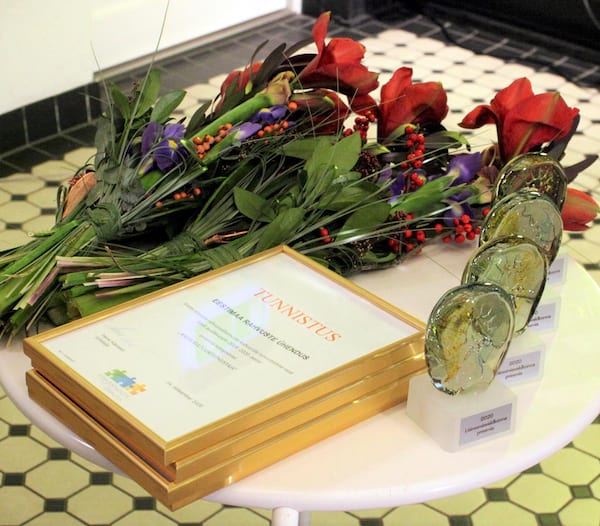
On 16 December, the Ministry of Culture and the Integration Foundation honoured the most outstanding contributors to the field of integration. You can now watch the ceremony that took place at the Estonian Museum of Architecture in full here.
The aim of the Integration Awards is to recognise those who have contributed to the promotion of the cultures represented in Estonia, to the establishment of contacts and cooperation between people of different first languages, and to the development of a common language between different communities.
The integration prizes were awarded to Jelena Skulskaja, Marju Lauristin, OÜ Shiftworks, the Estonian National Museum, and Anu Luure and Natalja Mjalitsina, the promoters of the Ukrainian School of Tallinn Lilleküla Gymnasium. Read more here.
Meet Katja Sepp, our new Head of Communications
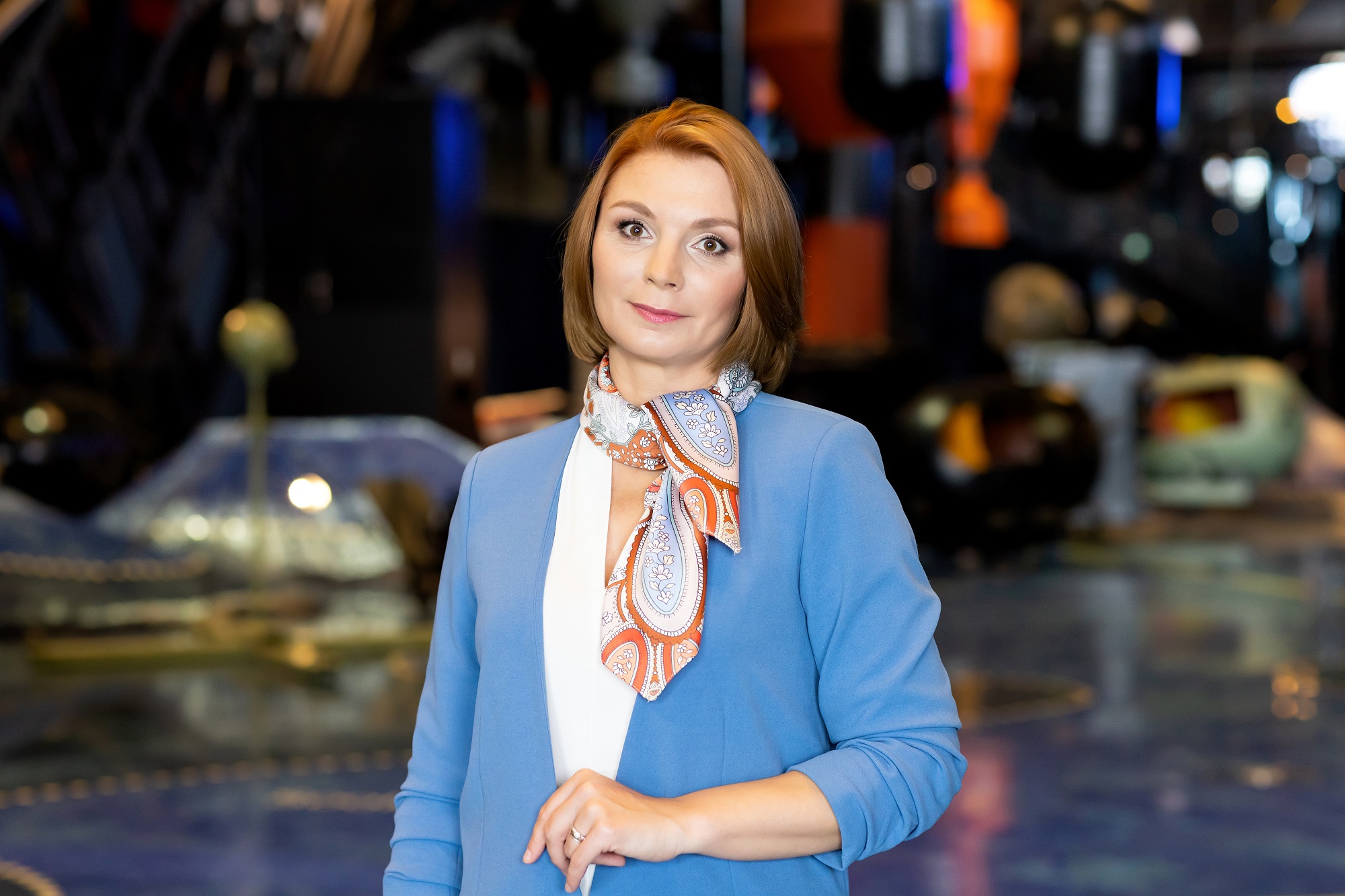
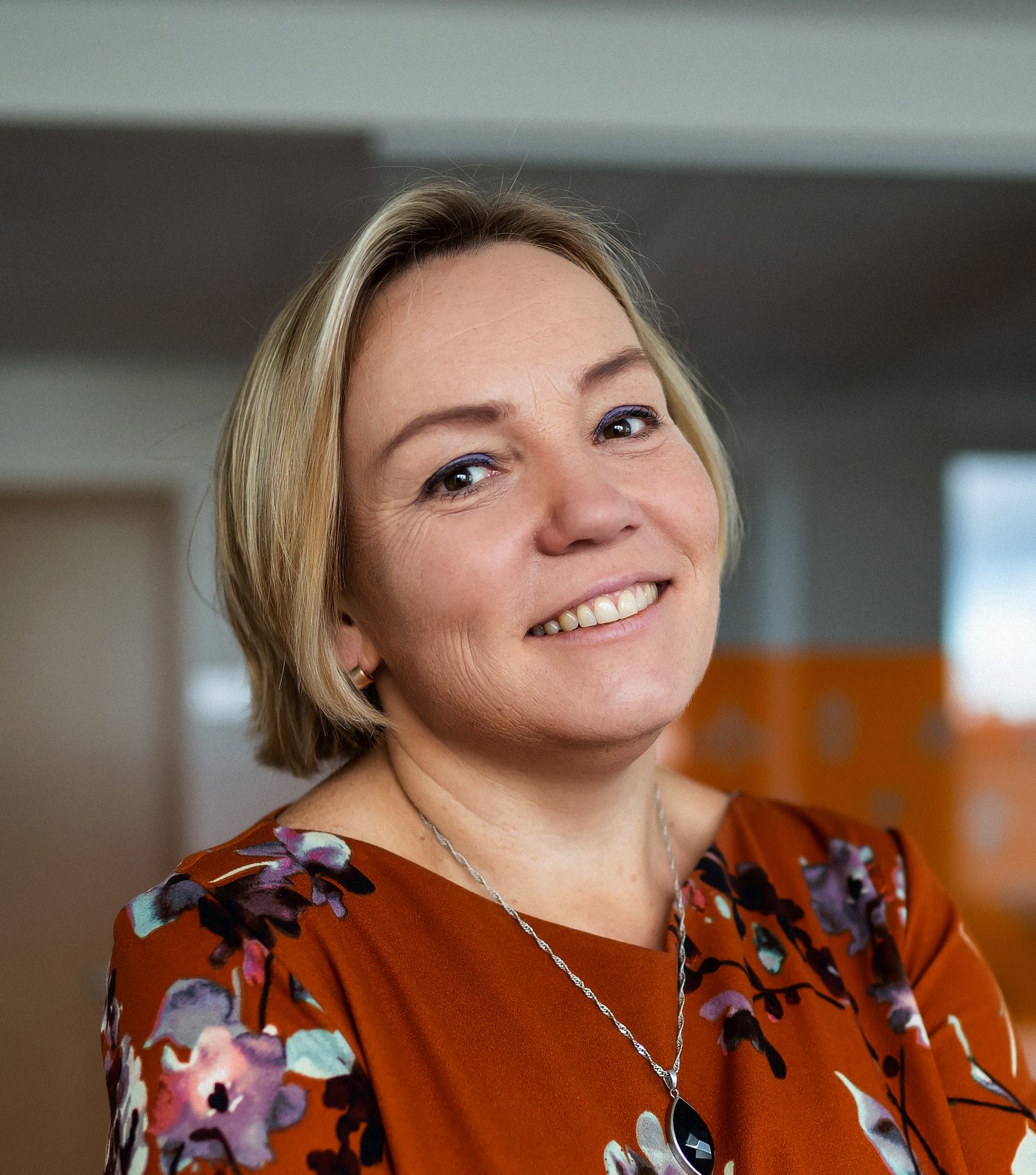
Katja Sepp joined the team of the Integration Foundation as the Head of Communications on 20 January.
For almost 15 years, she has been a champion of multinational corporations and public authorities. In 2019, Katja also contributed to the communication of our foundation.
‘Communication makes even the impossible possible. I will do my best to ensure that professional communication opens up even better opportunities for the team, students, and supporters of the Foundation to find common ground and achieve what we want together. So that every word and deed would lead us forward in a unifying direction – it is ever better to live in Estonia,’ said Katja Sepp.
Join our team!
Due to the increase in the volume of activities, the Integration Foundation is looking to recruit the head of civic education, the head of labour market services, and the head of activities that support language learning.
We offer a job where you can do a lot for Estonia by promoting the studies of the Estonian language and making society more cohesive. Our professional and cooperative colleagues and a workplace in the heart of Narva or Tallinn look forward to new employees.
New calls for applications
In the first month of the year, we opened several calls for applications. We await applications for the following projects: ‘Grants to Support Foreign Estonian Cultural Societies’, ‘Support for Cultural Societies of National Minorities’, ‘Cultural and Sporting Activities Promoting Integration’, as well as the completely new ‘Support for Ukrainian Refugees Up to 19 Years Old to Preserve Ukrainian Language and Culture’. A call for applications is open for the ‘Payment of Return Premiums’ initiative throughout the year.
The procurement ‘Estonian Language Courses for Educators’ has been announced.
Information on the announced calls is published on the Integration Foundation's website.
Our calendar
Information on events that take place by our organisation, participation or support, can be found in the calendar published on our website.
Our news
You can read the latest announcements of the Integration Foundation in the news section of our website and on the Facebook page of the Integration Foundation or the Estonian Language House in Narva and Tallinn

 This year, the Estonian Language Houses of the Integration Foundation have made efforts to bring their activities closer to the target group. That is why the Estonian Language Houses in Narva and Tallinn are offering Estonian language and culture studies on site in the Lüganuse and Lääne-Harju rural municipality, respectively. Communicative language learning is conducted in Estonian using active learning methods.
 The Integration Foundation organized a conference 'Together or Apart: Searching for the Middle Ground' in Tallinn on 10 & 11 November. The event brought together internationally recognised experts from Finland, the United Kingdom, Germany, the Netherlands, Belgium, Ireland and of course Estonia.
  From November 21st, you can participate in the annual e-quiz of the Integration Foundation. The quiz is dedicated to the Citizen’s Day celebrated on 26 November. The quiz takes place from 21 November to 5 December on the website of the Integration Foundation and it focuses on interesting facts, events, and life in Estonia.
 The Integration Foundation, in cooperation with the Ministry of Foreign Affairs, launched a campaign to introduce the possibilities of the information portal
  The information campaign carried out by the Integration Foundation in October was especially successful this year due to increased active interest and resulted in a larger number of applications to sign a Language Learning Contract than usual.
 In cooperation with the Integration Foundation, volunteers from among Nordea Group’s financial specialists are hosting a series of seminars – ‘E-Estonia, e-services, and preventing financial fraud’ – to support war refugees, thereby aiding them in adapting in Estonia and helping to recognise possible financial fraud.
 The diverse workplace label is awarded to employers who respect equal treatment and inclusive organisational culture and whose efforts in guiding diversity are an example to others.
 The task of the head of the service unit is to shape the existing services supporting integration into an even more user-friendly whole and to contribute to the development and launch of future services.
 You have been the Head of the Integration Foundation for two months – how do you like it here?
 Registration for free Estonian courses in the self-service of the Integration Foundation is about to end. The courses are free and intended for adults from the age of 18.
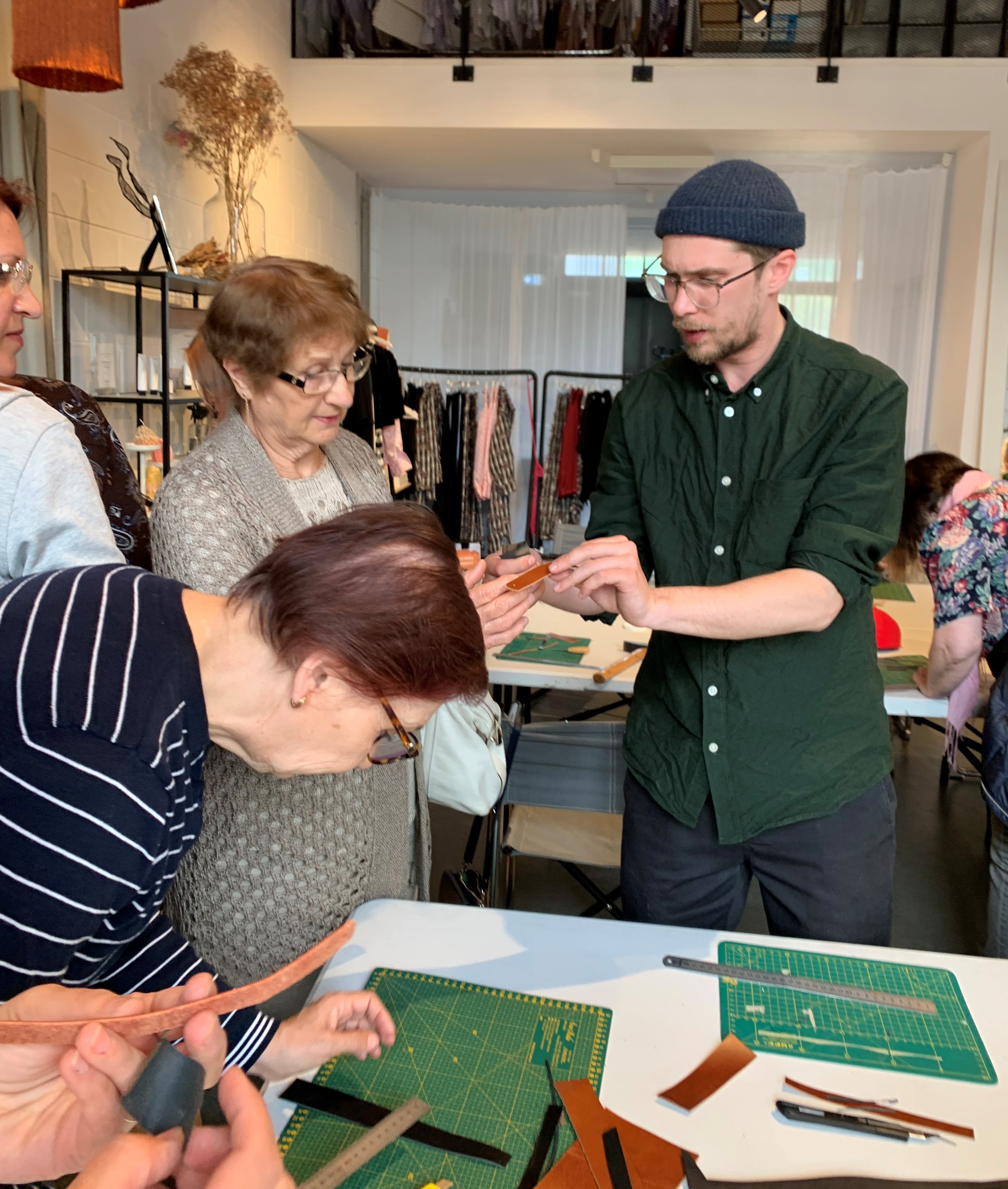 New event plans for practicing communication skills have been completed by the Estonian language houses of Integratsion Foundation. We offer thematic language practice opportunities for all levels of language skills in Tallinn, Pärnu and Pärnumaa, Narva, Sillamäe, online, as well as in new locations such as Lüganuse parish and Lääne-Harju parish.
 Since 8 August, all language cafés across Estonia are back in full swing to offer a pleasant opportunity to practice your Estonian speaking skills.
 In addition to regular language courses, the Narva and Tallinn Estonian language houses offer opportunities to improve your skills in a total of 12 different special courses, both in contact learning and online. Participants from all over Estonia are welcome to the online courses.
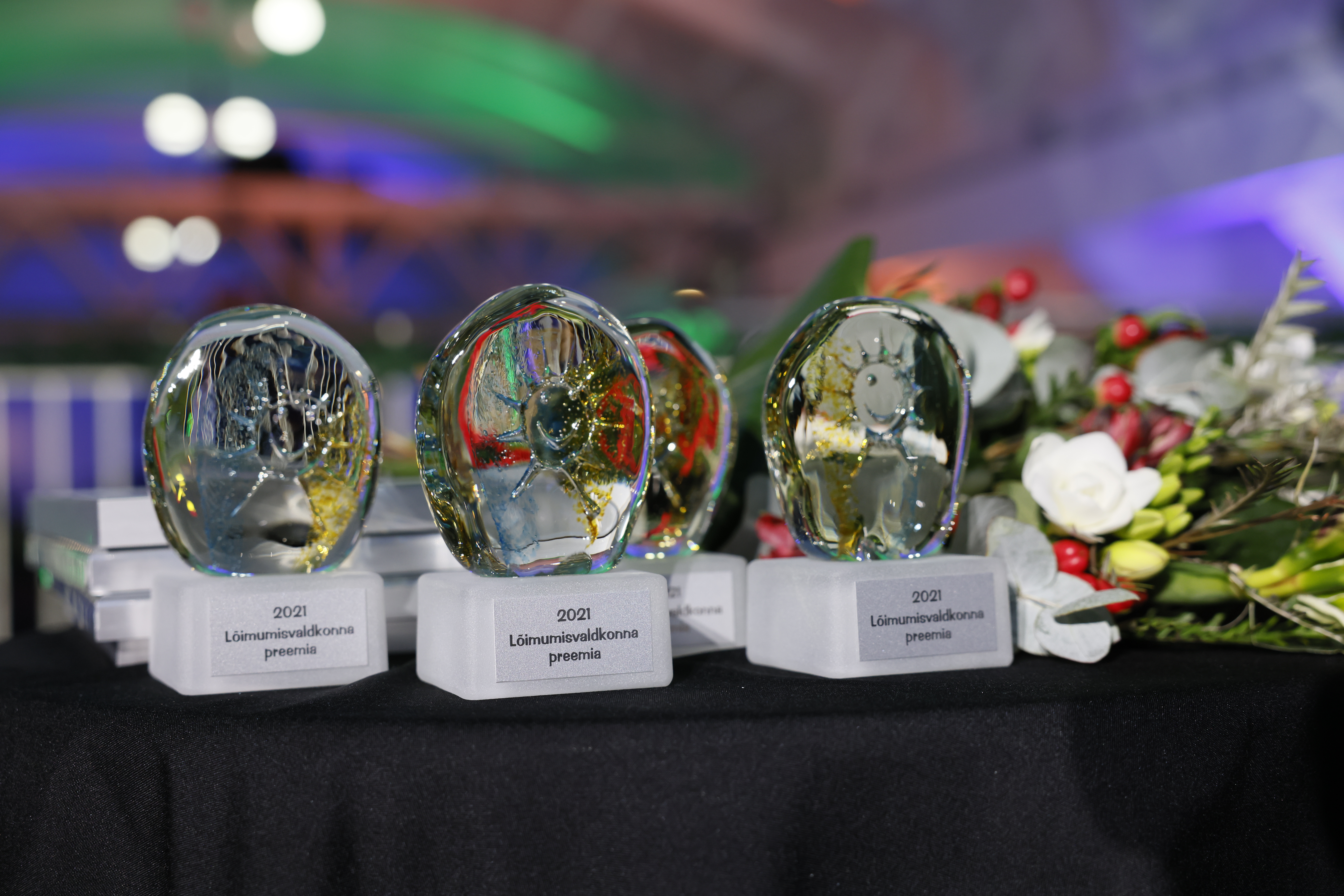 Applications are welcome to the Integration Foundation for receiving awards for projects carried out in the field of integration. The deadline for applications is September 1st.
 In July, registration began to the mandatory and free adaptation programme for Ukrainian war refugees who have been granted temporary protection, consisting of adaptation training and Estonian language courses. Nearly 4,000 people have completed adaptation training to date, and nearly 2,000 have started or are about to start learning Estonian.
 According to various estimations, 150,000 – 200,000 Estonians, people from or connected to Estonia live outside Estonia, which makes up nearly 15% of the Estonian population. At the beginning of the summer, a large-scale study was published, which reveals the identity, attitudes, and expectations of Estonians living abroad regarding Estonia.
 Since Marika Sulg has lived in St. Petersburg for a long time, participated in international programmes and language camps, and is well acquainted with the worries and joys of Estonians in St. Petersburg, she can understand the challenges of those returning to Estonia. In addition to Estonian, Marika offers counselling in Russian and English.
 During the summer, we organised various camps supporting integration and language learning for young Estonians living abroad, adult learners of Estonian, Romas of Valga, and families from Lääne-Harju parish whose home language is not Estonian.
  The Integration Foundation’s annual international conference on integration will take place on 10–11 November in Tallinn and its theme is
 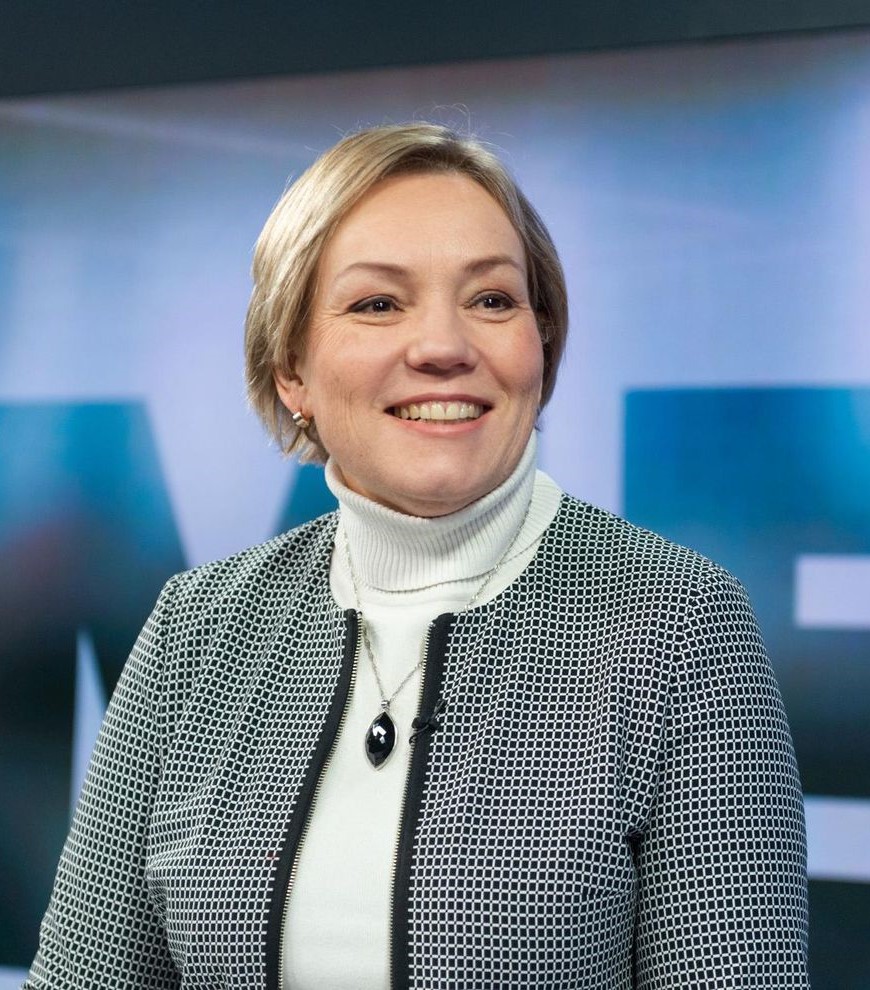 Summer is finally about to arrive and we can close another academic year. This will also mark the end of my work at the foundation. The past five years have been meaningful, full of challenges and successes.
 The Integration Foundation will be offering over 2,000 places for learning Estonian language for permanent residents as well as new migrants over the summer and autumn. Estonian can be studied for free all over Estonia.
 Public sector agencies have teamed up and are welcoming students whose first language is not Estonian to come and see what happens in the public sector, gain knowledge at the summer school, and obtain work experience.
 The language cafés provide support for independent Estonian studies and a chance to practice to those who want to speak the language – supplement their vocabulary, practice independent learning, and chat on everyday topics in a relaxed environment. Language cafés are held all over Estonia free of charge.
 The Integration Foundation and our Estonian Language Houses are preparing opportunities for the refugees who have arrived from Ukraine to learn Estonian on a basic level and offer counselling in language learning as well as adapting.
  The Integration Foundation is welcoming participants to the free courses on the constitution and the Citizenship Act. The courses will start in July. You can register for the courses, which will take place in different regions of Estonia, at
  During the summer months, we welcome everyone who have studied Estonian independently or with a teacher to maintain and practice their language skills!
 The Supervisory Board of the Integration Foundation elected Dmitri Moskovtsev as the new director of the foundation as a result of a public competition. The new director will take office on 1 July. The current director Irene Käosaar will become the headmaster of the new Narva Estonian State High School.
 The Integration Foundation and our Estonian Language Houses are preparing opportunities for the refugees who have arrived from Ukraine to learn Estonian on a basic level and offer counselling in language learning as well as adapting.
 The Integration Foundation provides information and

 As soon as the warm summer days arrive, we will be offering more opportunities for practising language skills in the open air – trips, hikes, tours, as well as camps in Narva, Tallinn, and all over Estonia.


 We have successfully made it to 2022. The beginning of the year is the best time to look back and think about the future.


 Back in summer, on the 20th of August, we celebrated the 30th anniversary of the restoration of Estonia’s independence with a song festival in Narva. For the last three decades we have been working to drive Estonian society forward, fashion its values and support its democratic processes. Part of that is shaping integration policy, which is closely linked to social processes, being helped or hindered by them on the one hand and contributing to the formation of a more cohesive society on the other.
 The event will bring together internationally recognised experts from Finland, Latvia, Lithuania, the United Kingdom, Germany, Austria, Switzerland and of course Estonia. The conference will be livestreamed on the
  At the meetings, we introduce the possibilities of acquiring citizenship, discuss obstacles and advantages, visit the Riigikogu, share detailed information on what to do to apply for citizenship and give advice on how to prepare for exams.
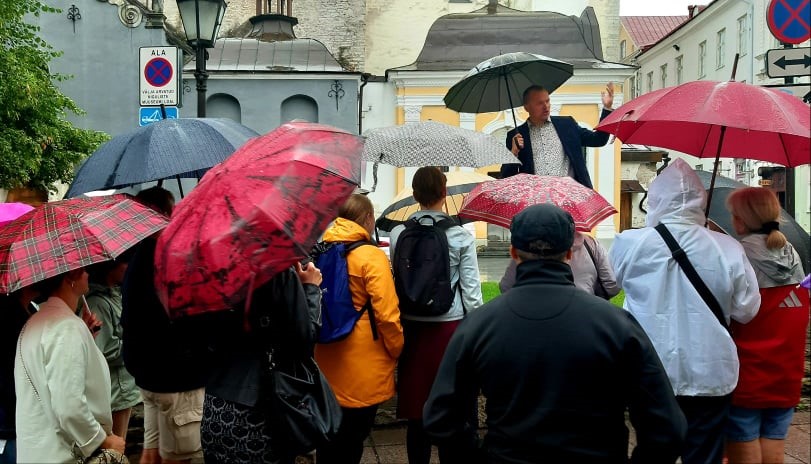 The academic year has gotten off to a flying start in the Integration Foundation’s partner schools and at the Estonian Language Centres in Tallinn and Narva.
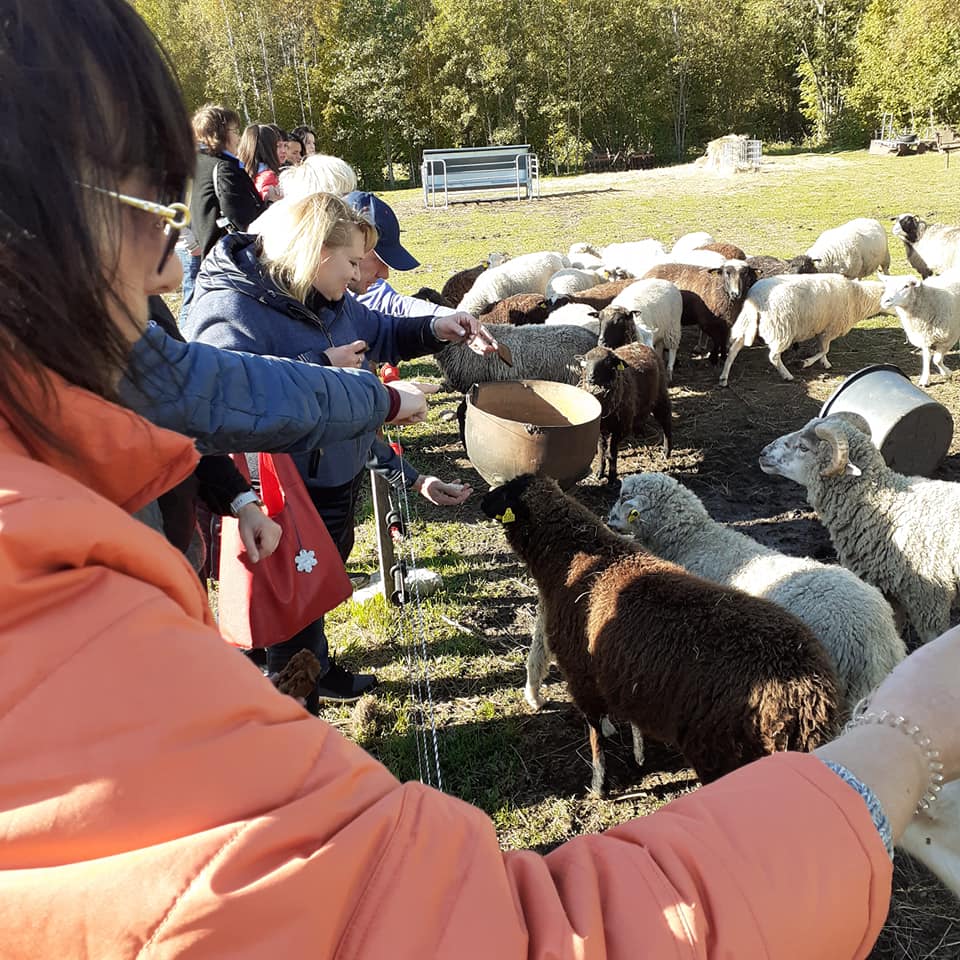 The Integration Foundation also supports employers in organising language studies. A good example is a follow-up course that was organised by the Police and Border Guard Board and the Estonian Language Centre in Narva on which police officers got the chance to study Estonian face-to-face on police premises as well as online and at a language camp held on Saaremaa this autumn.
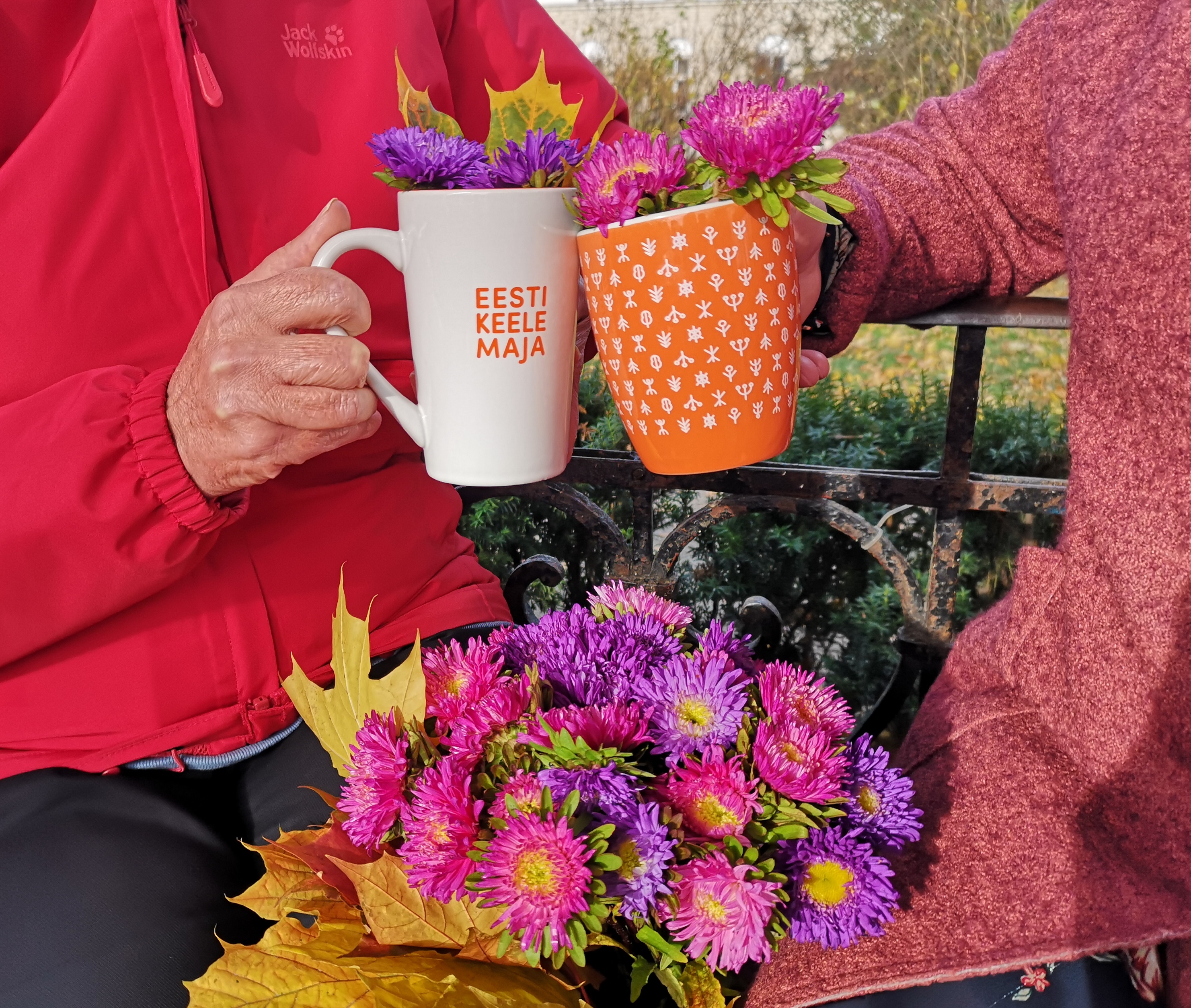 A lot of Estonian courses have already kicked off, but all those learning the language are welcome to take part in the events organised by the Estonian Language Centres in
  The Integration Foundation, working with the Estonian Language Centres in Tallinn and Narva, has produced a range of resources with which students can independently practise their Estonian: several videos and a special handbook.
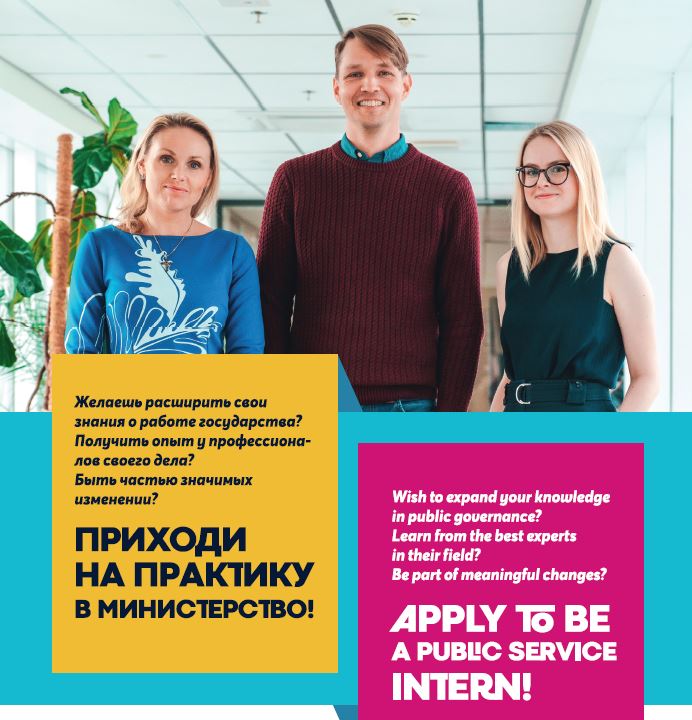 A work placement programme being offered by the Integration Foundation in cooperation with the Ministry of Culture and the Ministry of Finance is set to launch in November whose aim is to showcase employment opportunities in state agencies to students with mother tongues other than Estonian and to encourage them to apply for positions in the public sector in the future.
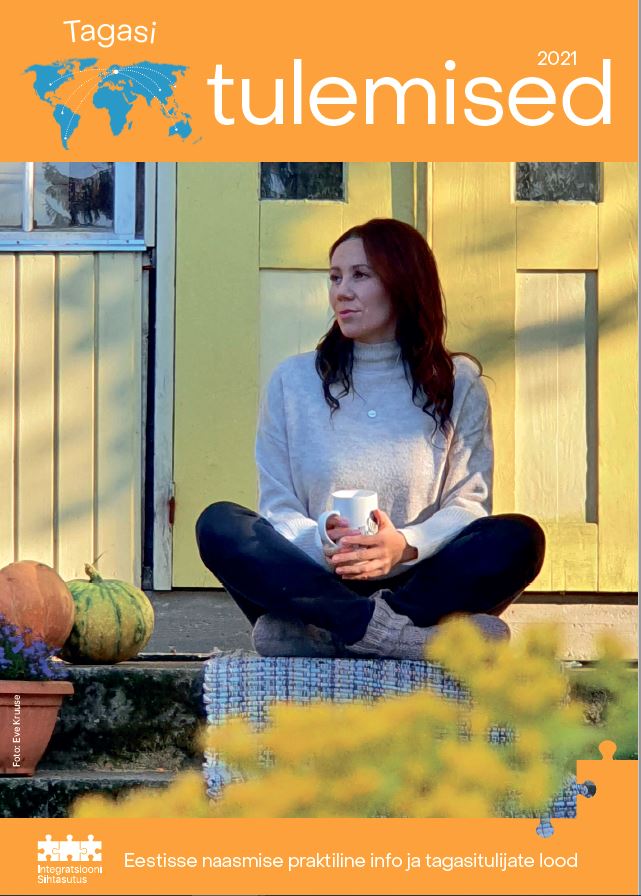 Close to 7000 people with Estonian roots who have been away from the country for anywhere from a few years to as long as they can remember return to their homeland every year. They bring back with them not only the knowledge they have gained, but also a broader outlook on the world. Over the years the Integration Foundation has supported many of them in settling back into life in Estonia – and now has put all of this together in a useful handbook.
 Citizens Day is marked on 26 November, and this year the Integration Foundation is once again organising an exciting online quiz about Estonia’s recent past in honour of the occasion. It will be taking place from 15-28 November, with a focus on interesting events and life in Estonia.
 Cooperation Days were held in Narva on 27 & 28 August, bringing together representatives of museums, Harju County NGOs and the umbrella organisations of national minority cultural associations. The aim of the event was to find new partners, come up with fresh ideas and foster cooperation among the participants.
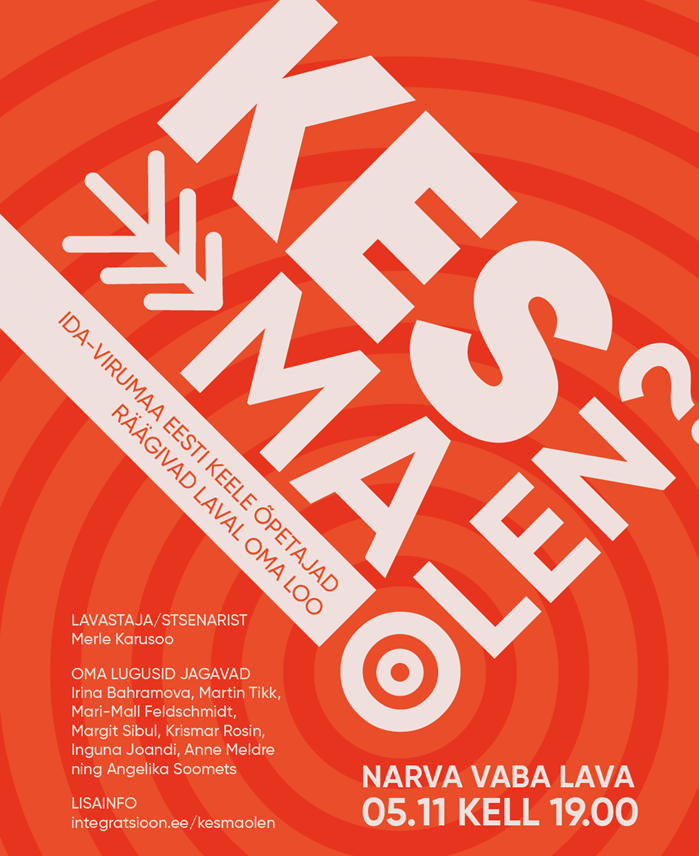 Renowned Estonian director and playwright Merle Karusoo, in cooperation with the Integration Foundation and the Vaba Lava theatre in Narva, is staging a unique play called ‘Who Am I?’ that brings together the stories of Estonian-language teachers from Ida-Viru County and throws open the doors of the world of teaching.
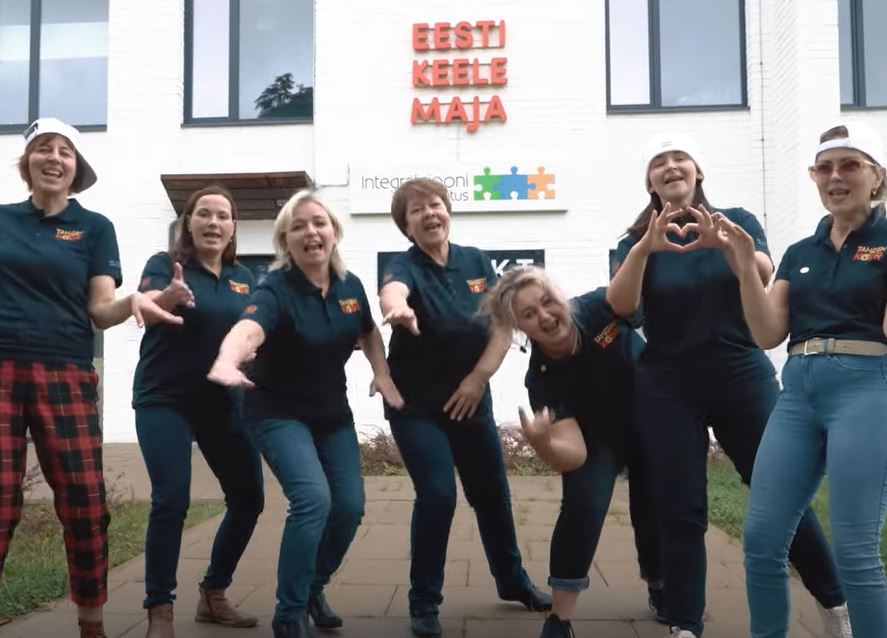 On 1 October we marked two years since the main office of the Integration Foundation and its second Estonian Language Centre opened their doors in Narva. Cool white on the outside but warm and cosy on the inside, the building is home to a friendly team of workers and some wonderful students. Together they worked on

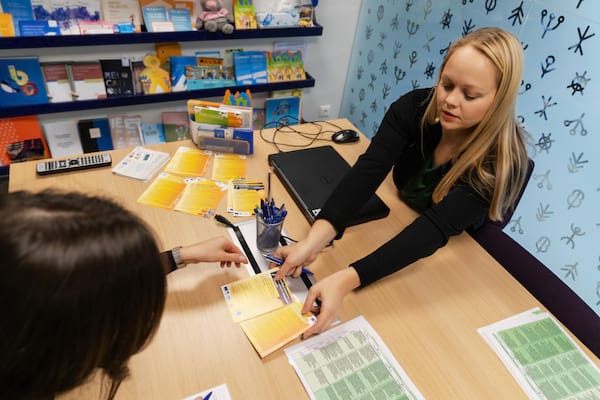



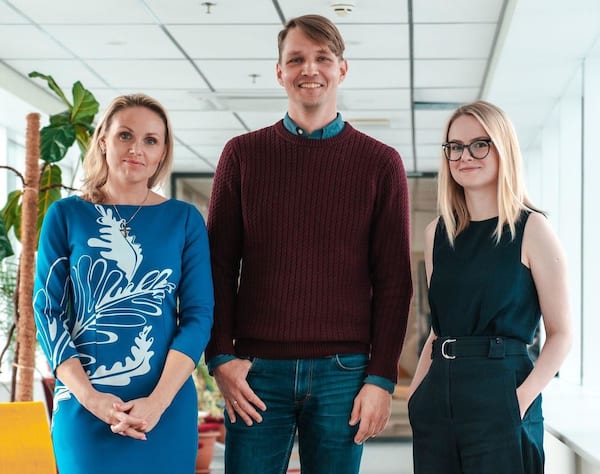 April saw the end of a work placement programmed offered by the Integration Foundation whose aim was to showcase employment opportunities in state agencies to students with mother tongues other than Estonian and to encourage them to apply for positions in the public sector in the future. As part of the programme, a total of 13 students discovered what it is like to work in the Government Office, the Office of the Chancellor of Justice and a variety of ministries.
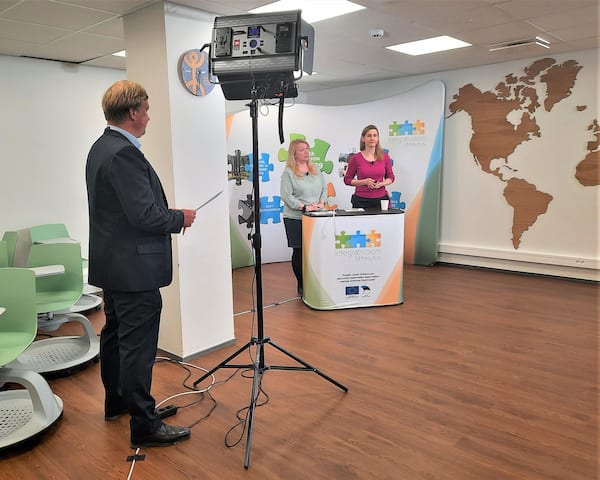 The Integration Foundation is organising a series of 15 training and discussion days in order to introduce local governments to integration and adaptation services, the online integration consultant tool and other recent innovations developed by the state. The best cooperation solutions will be sought for each region in the course of the discussions.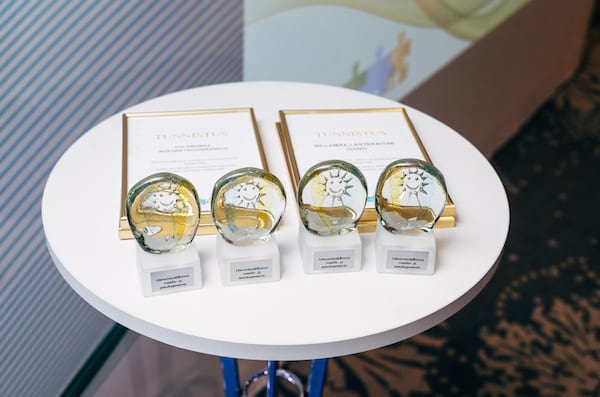
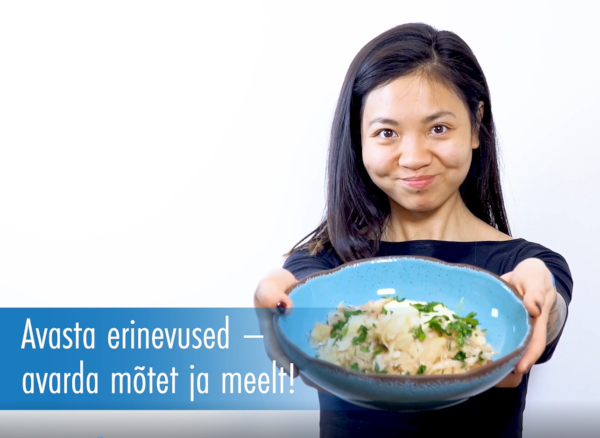 Today, 12 May, is Diversity Day. And there’s plenty for us to celebrate! The approximately 200 different nationalities represented in Estonia spoke a total of 231 mother tongues in 2020, each of them enriching our cultural space in their own way.
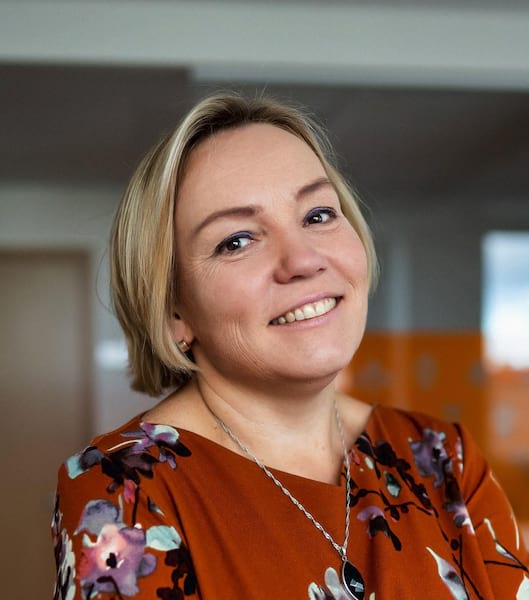 The Integration Foundation gained a proverbial new lease on life in 2018 when it was tasked with establishing Estonian Language Centres in Tallinn and Narva by the government. Two years of hard work in building up these centres – physically and in terms of staff and services – have now started to pay off. Both centres opened their doors in 2019, with classes launched shortly afterwards. Everyone and everything soon settled into place, and things were going very smoothly...
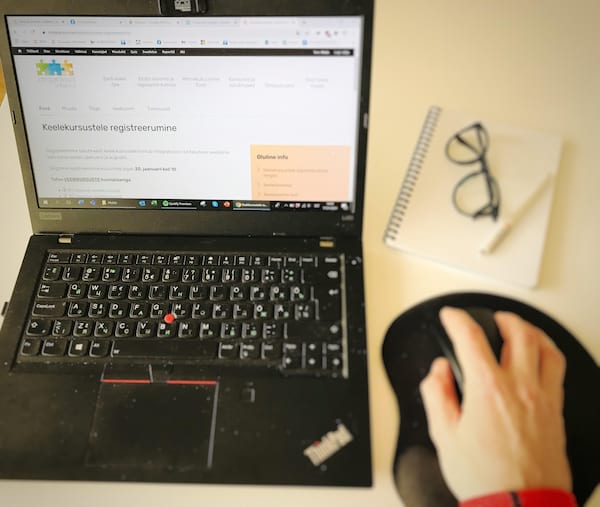 Public registration for free Estonian language courses will open on the
  The Integration Foundation offers advisory services to adults who wish to learn Estonian, helping them choose the options that are best suited to them.
 Language Roulette is a series of virtual meetings coorganized by teachers and mentors of the Estonian language houses of the Integration Foundation, which brings together people who want to practice Estonian in a new format of short conversations in the Zoom environment.
 February will see language lovers being assisted once more as part of the Language Friends programme of the Integration Foundation, with mentors volunteering to help learners practise their spoken Estonian by regularly chatting to them on a wide range of topics via e-channels.
 Estonian language and culture clubs represent an additional opportunity for those interested in learning the national language to hone their skills and practise the spoken language. The list of the clubs that are set to open is being constantly updated, with registration on the Integration Foundation
 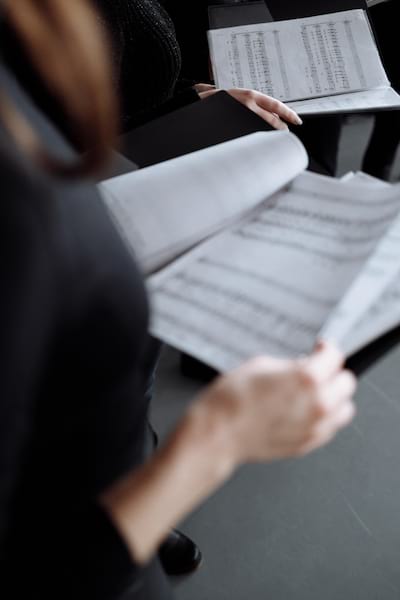 A mixed choir brought together by the Integration Foundation’s Estonian Language Centre in Narva is giving 45 people the opportunity to hone their language skills by singing in both Estonian and Russian. Most of the chorists are from Ida-Viru County, but there are also those from as far afield as Tallinn and Tartu.
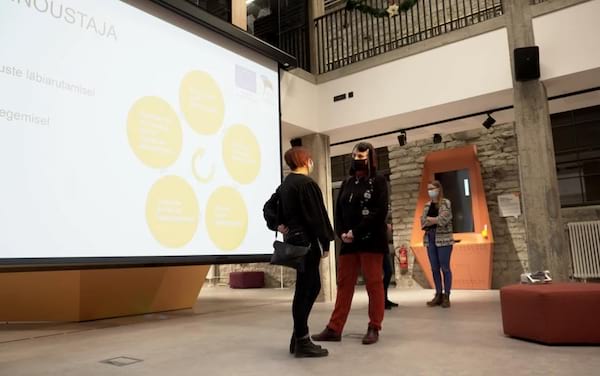 Since October last year, the Integration Foundation has organized meetings supporting the adaptation of returnees to Estonia, where more than 150 returnees and compatriots living in other countries were able to share their experience and practical information in adapting to a new life in Estonia. The meetings for sharing experiences will continue this year as well.
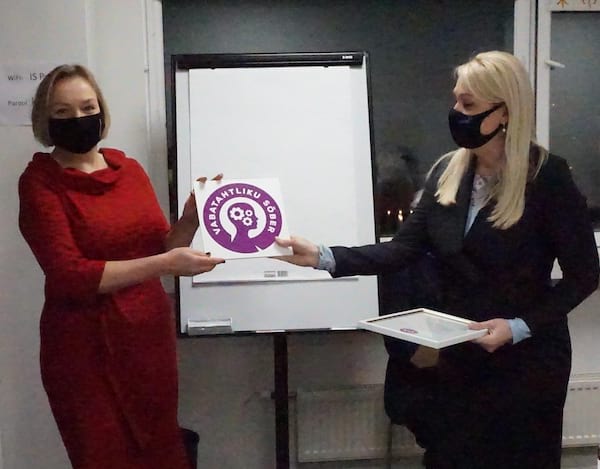
 In early January, Minister of Population Affairs Riina Solman presented the Integration Foundation with the prestigious Volunteer’s Friend Label in recognition of its well-planned inclusion of volunteers in line with best practice in voluntary work.